
What Is Lifestyle Medicine? An Oncologist Explains the Six Pillars
By Dr. Punam Rana MD MSc • Medical Oncologist & Mindfulness Educator
We have known for centuries that the way we live influences our health. Nutrition, physical activity, sleep, stress and relationships all shape our physical and psychological well-being.
Yet modern medicine has largely developed around diagnosing and treating disease with medications, procedures and surgery.
These advances have saved countless lives. But as chronic diseases such as cardiovascular disease, type 2 diabetes and obesity have become increasingly prevalent, attention has turned to how lifestyle interventions can be used not only to prevent disease, but also to treat it.
This is the foundation of lifestyle medicine.
What Is Lifestyle Medicine?
Lifestyle medicine is an evidence-based medical discipline that uses therapeutic lifestyle interventions to prevent, manage and treat chronic disease and, in some cases, help achieve remission.
There is a difference between recommending a healthy lifestyle and prescribing a lifestyle intervention based on clinical evidence.
Rather than simply telling someone to “eat healthier” or “exercise more,” lifestyle medicine examines which interventions work, for whom, at what intensity or dose, and how to help people make sustainable changes.
For example, a physician trained in lifestyle medicine may prescribe a structured exercise program based on a patient’s medical condition, physical capacity and treatment goals.
The field brings together research from nutrition, exercise physiology, sleep medicine, behavioural science, psychology and preventive medicine, translating that evidence into clinical practice.
The Six Pillars of Lifestyle Medicine
The American College of Lifestyle Medicine identifies six interconnected pillars that form the foundation of this approach.
1. Nutrition
Nutrition plays a central role in the prevention and management of many chronic diseases.
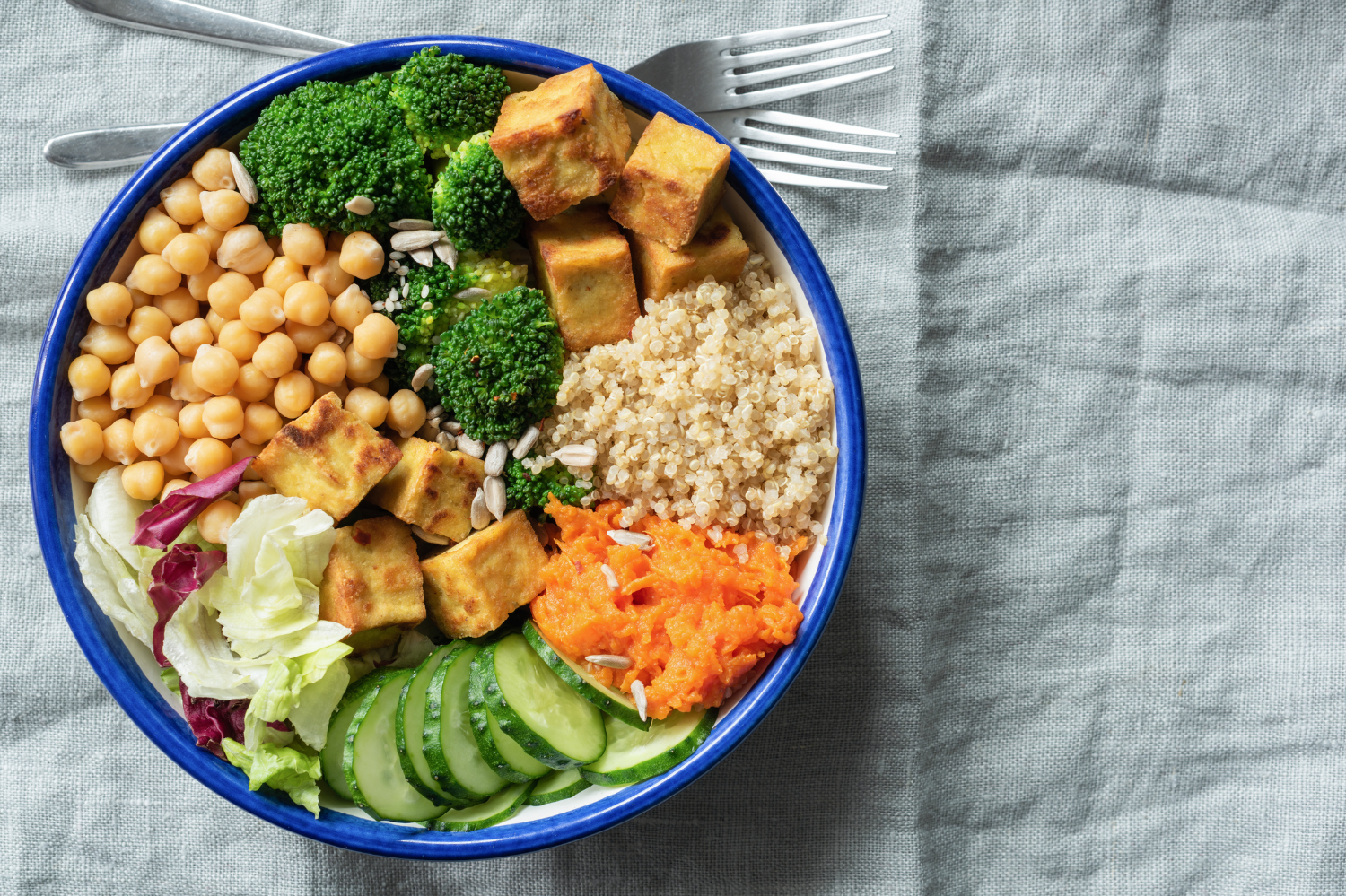
Lifestyle medicine emphasizes dietary patterns rich in whole, minimally processed foods, particularly vegetables, fruits, whole grains, legumes, nuts and seeds. Its preferred approach is a predominantly plant-based dietary pattern.
The scientific evidence supporting the effects of nutrition on health is substantial. Dietary interventions may also change the course of established disease.
In the DiRECT trial, published in The Lancet in 2018, researchers studied an intensive weight-management program for people with type 2 diabetes. The intervention included temporary total diet replacement followed by structured support for food reintroduction and long-term weight maintenance. At 12 months, 46% of participants in the intervention group achieved diabetes remission, compared with 4% receiving usual care.
These findings demonstrate that structured nutritional and weight-management interventions can, in selected patients, produce outcomes that go beyond improving individual risk factors.
2. Physical Activity
Regular physical activity affects nearly every major organ system. It improves cardiovascular fitness, insulin sensitivity, muscle strength, bone health and psychological well-being.
But physical activity is increasingly being studied not only for preventing disease, but also as a therapeutic intervention after disease has developed. One of the most important recent examples comes from oncology.
In 2025, the Canadian-led CHALLENGE trial, published in the New England Journal of Medicine, randomized 889 patients with colon cancer who had completed surgery and adjuvant chemotherapy. Participants received either a structured exercise program lasting three years or health education materials. At five years, disease-free survival was 80.3% in the exercise group compared with 73.9% in the education group. The findings also supported improved overall survival.
As an oncologist, I consider this one of the most important studies in recent years examining the role of exercise in cancer care.
Previous observational research had suggested that physically active colon cancer survivors experienced better outcomes. The CHALLENGE trial provided stronger evidence, through randomization, that a structured exercise intervention could improve cancer outcomes in a defined group of patients. It illustrates how an intervention that has long been recommended for general health can become a more precisely prescribed component of medical care.
3. Restorative Sleep
Sleep is essential for metabolic regulation, cognitive function, immune health and emotional well-being. Both insufficient sleep and disrupted sleep patterns have been associated with adverse health outcomes, including cardiovascular disease, obesity and type 2 diabetes.
A 2010 meta-analysis published in Sleep by Cappuccio and colleagues examined the relationship between sleep duration and mortality across prospective studies. Short sleep duration was associated with a 12% higher risk of death during follow-up. Long sleep duration was also associated with increased mortality. Importantly, these findings were observational. They demonstrate associations but do not establish that sleep duration itself caused the differences in mortality.
Lifestyle medicine considers not only how long people sleep, but also the quality and regularity of sleep, circadian rhythms, and the behaviours and environmental conditions that support restorative sleep.
4. Stress Management
Chronic stress affects multiple physiological systems, including the autonomic nervous system and the hypothalamic-pituitary-adrenal axis. Prolonged activation of the stress response can influence sleep, blood pressure, mood and health-related behaviours. Evidence-based stress-management interventions, including mindfulness-based programs, have demonstrated benefits for psychological well-being.
In 2014, Goyal and colleagues published a systematic review and meta-analysis of meditation programs in JAMA Internal Medicine. The researchers found moderate evidence that mindfulness meditation programs could improve symptoms of anxiety, depression and pain.
As a certified mindfulness meditation teacher, this is an area of particular interest to me. Mindfulness and other stress-management approaches can help people develop a different relationship with difficult thoughts, emotions and physical sensations.
However, not every claim about stress and physical disease is supported by strong scientific evidence. While the psychological benefits of certain interventions are well established, their effects on disease progression and long-term physical outcomes remain areas of ongoing research.
Distinguishing between what is established and what is still being investigated is an important part of evidence-based lifestyle medicine.
5. Social Connection
Social relationships are increasingly recognized as important determinants of health.
In 2010, Holt-Lunstad and colleagues published a meta-analysis in PLoS Medicine examining 148 studies involving more than 300,000 participants. The researchers found that stronger social relationships were associated with approximately 50% higher odds of survival during the study follow-up periods.
These findings were observational, so they do not establish that stronger relationships directly caused improved survival. Nevertheless, the consistency and magnitude of the association suggest that social connection deserves serious attention in discussions about health.
Social relationships can influence emotional well-being, stress, health behaviours and access to practical support. Lifestyle medicine recognizes social connection as a component of health, rather than simply an aspect of personal happiness.
6. Avoidance of Risky Substances
The sixth pillar focuses on reducing exposure to substances known to harm health, particularly tobacco, harmful alcohol use and other substances associated with addiction or adverse outcomes. Smoking cessation remains one of the most effective interventions available for reducing preventable disease and premature mortality.
A landmark study published in the BMJ in 2004 examined 50 years of follow-up among British male doctors. It demonstrated the substantial benefits of quitting. Stopping smoking around age 50 halved the excess mortality risk, while stopping around age 30 avoided almost all of it.
This pillar emphasizes evidence-based approaches to reducing and stopping harmful substance use, including counselling, behavioural support and medications when appropriate.
Is Lifestyle Medicine Evidence-Based?
Yes. Lifestyle medicine draws on decades of research, including randomized controlled trials, prospective cohort studies, systematic reviews and clinical practice guidelines.
However, the strength of evidence varies across interventions and health outcomes. The benefits of smoking cessation are firmly established. Randomized trials support specific dietary and physical activity interventions for cardiovascular disease, type 2 diabetes and certain cancer outcomes. Other areas, such as the effects of particular stress-management interventions on disease progression, remain less certain.
This distinction matters.
In evidence-based medicine, we differentiate between what seems biologically plausible, what has been associated with better health in observational studies, and what has been demonstrated to improve outcomes through controlled trials.
Lifestyle medicine applies those same scientific standards to interventions involving how we live.
How Is Lifestyle Medicine Different From Conventional Medicine?
Lifestyle medicine is not an alternative to conventional medical treatment. Medications, surgery, radiation and other medical interventions remain essential for treating many diseases. Rather, lifestyle medicine seeks to incorporate therapeutic lifestyle interventions into comprehensive medical care.
A person with hypertension may benefit from medication alongside an evidence-based approach to nutrition, physical activity and sleep.
Someone with type 2 diabetes may require medication while also participating in a structured dietary and weight-management program that improves glycemic control and, in selected circumstances, helps achieve remission.
Similarly, a person undergoing cancer treatment may benefit from an individualized exercise program to support physical function and quality of life alongside evidence-based oncology care.
Lifestyle interventions and conventional medical treatments are not competing approaches. They complement one another.
Is Lifestyle Medicine a Recognized Medical Specialty?
Lifestyle medicine has become increasingly formalized over the past two decades.
The American College of Lifestyle Medicine was established in 2004. In 2010, Lianov and Johnson published physician competencies for prescribing lifestyle medicine in JAMA, outlining the knowledge and skills needed to incorporate lifestyle interventions into medical practice.
The first American Board of Lifestyle Medicine certification examination took place in 2017.
More recently, in August 2026, the American Board of Medical Specialties approved a Focused Practice Designation in Lifestyle Medicine, administered by the American Board of Preventive Medicine.
Although lifestyle medicine is not recognized as a standalone specialty within the American Board of Medical Specialties system, this designation represents an important step toward formal recognition of additional clinical expertise in the field.
Physicians and other eligible healthcare professionals can pursue dedicated training and certification in lifestyle medicine.
The Future of Lifestyle Medicine
As scientific evidence continues to accumulate, lifestyle interventions are becoming increasingly important in the prevention and management of chronic disease, cancer survivorship and overall health.
But improving population health requires more than educating individual patients. Our ability to make healthy choices is shaped by the environments in which we live. The food available in our schools. The design of our neighbourhoods. Access to safe places for physical activity. The affordability of nutritious food. The time, resources and social support available to individuals and families.
A comprehensive approach to lifestyle medicine must consider both individual behaviour and the broader social and environmental conditions that influence health. If lifestyle interventions are important enough to become part of medical treatment, the conditions that make healthy living possible also deserve attention from healthcare systems and policymakers.
References
- Lean MEJ, et al. Primary care-led weight management for remission of type 2 diabetes (DiRECT): an open-label, cluster-randomised trial. The Lancet. 2018;391:541–551.
- Courneya KS, et al. Structured exercise after adjuvant chemotherapy for colon cancer. New England Journal of Medicine. 2025;393:13–25.
- Cappuccio FP, et al. Sleep duration and all-cause mortality: a systematic review and meta-analysis of prospective studies. Sleep. 2010;33(5):585–592.
- Goyal M, et al. Meditation programs for psychological stress and well-being: a systematic review and meta-analysis. JAMA Internal Medicine. 2014;174(3):357–368.
- Holt-Lunstad J, Smith TB, Layton JB. Social relationships and mortality risk: a meta-analytic review. PLoS Medicine. 2010;7(7).
- Doll R, et al. Mortality in relation to smoking: 50 years’ observations on male British doctors. BMJ. 2004;328:1519.
- Lianov L, Johnson M. Physician competencies for prescribing lifestyle medicine. JAMA. 2010;304(2):202–203.
